Fibermaxxing: Benefits, Side Effects, Foods & How to Do It Safely

Fibermaxxing, also called fiber maxing, is the viral nutrition trend of intentionally eating more fiber-rich foods for gut health, better digestion, fullness, and blood sugar balance. As a nutritionist, I like the idea behind this trend, but not the extreme “more is always better” version. The safest way to try fibermaxxing is to build up gradually with real foods like oats, chia seeds, lentils, beans, fruits, vegetables, nuts, seeds, and whole grains.

Fiber is not new. Your grandmother’s dal, your bowl of oats, your chickpea salad, your fruit bowl, your chia pudding, and your vegetable loaded dinner were doing this job long before the internet gave it a shiny new name.
But sometimes a trend gives old wisdom a new microphone. Fibermaxxing is one of those moments.
What Is Fibermaxxing?
Fibermaxxing is the trend of intentionally increasing your daily fiber intake, usually by eating more high-fiber foods such as oats, chia seeds, beans, lentils, fruits, vegetables, nuts, seeds, and whole grains. It can support digestion, fullness, gut health, cholesterol, and blood sugar balance, but fiber should be increased slowly with enough water to avoid bloating, gas, cramps, or constipation.
In simple words, fibermaxxing means eating more plants, not just adding a spoonful of powder to your water.
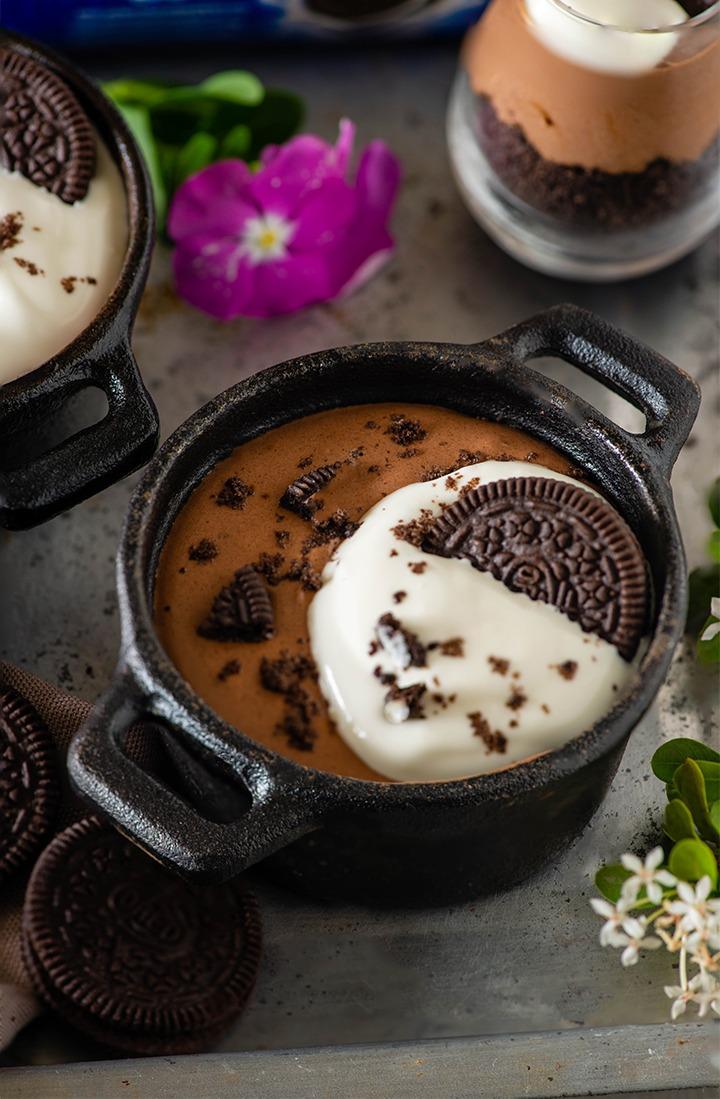
Example: chia pudding recipe from my Chia Pudding Guide.
What Is Fibermaxxing?
Fibermaxxing means intentionally eating more dietary fiber every day. It is not a medical term. It is a social media term for something nutritionists have recommended for years: eat more whole plant foods.
Fiber is a type of carbohydrate that your body does not fully digest. Unlike sugar or starch, fiber passes through the digestive system mostly intact. It helps support bowel regularity, fullness, gut health, and more stable blood sugar after meals. Harvard’s Nutrition Source explains that fiber helps regulate the body’s use of sugars and helps keep hunger and blood sugar in check.
The reason this trend has caught attention is simple: most people do not eat enough fiber. The Dietary Guidelines for Americans note that more than 90 percent of women and 97 percent of men do not meet recommended fiber intakes.
So yes, the name sounds very internet. But the nutrition idea underneath is surprisingly sensible.
Is Fibermaxxing Actually Healthy?
Fibermaxxing can be healthy when it means eating more whole foods such as vegetables, fruits, beans, lentils, oats, chia seeds, flaxseeds, nuts, seeds, and whole grains.
It becomes less helpful when it turns into an extreme challenge: too many fiber powders, too much psyllium, huge amounts of chia seeds, or suddenly jumping from a low-fiber diet to a very high-fiber one overnight.
UCLA Health describes fibermaxxing as a trend with solid nutrition value when done sensibly, noting that increasing dietary fiber can support digestion, gut health, satiety, blood sugar balance, cholesterol, and long-term health.
My nutritionist take:
The goal is not to eat the maximum possible fiber. The goal is to consistently meet your fiber needs from varied, mostly whole foods. That is the difference between a healthy routine and a stomach rebellion.
How Much Fiber Do You Need Per Day?
Most adults need somewhere around 25 to 38 grams of fiber per day, depending on age, sex, calorie intake, and individual health needs. The FDA lists the Daily Value for dietary fiber as 28 grams per day on the Nutrition Facts label.
| Group | General Fiber Target |
|---|---|
| Adult women | About 25 grams per day |
| Adult men | About 38 grams per day |
| FDA Daily Value | 28 grams per day |
Ohio State Health notes that while there is no official definition of how much fiber qualifies as “fibermaxxing,” the typical range discussed is around 25 to 35 grams per day, which aligns with established nutrition guidance.
For most people, fibermaxxing should mean slowly moving toward 25 to 35 grams of fiber per day. It should not mean suddenly eating 50 grams of fiber after years of toast, tea, and tiny salad leaves.
Why Fiber Matters
Fiber is one of the most underrated parts of a healthy diet. It is quiet, unglamorous, and not usually invited to the shiny wellness party, but it does a lot of important work.
1. Fiber Helps With Fullness
High-fiber foods usually take longer to chew and digest. This can help meals feel more satisfying and reduce the urge to snack soon after eating.
This is one reason meals like overnight oats, lentil curry, chickpea salad, and chia pudding can feel more filling than low-fiber refined foods.
You can try easy overnight oats recipe from my Overnight Oats Recipes Guide.
2. Fiber Supports Gut Health
Fiber feeds beneficial gut bacteria and helps support regular bowel movements. Think of it as garden compost for your inner ecosystem, not glamorous, but deeply useful.
A healthy gut does not need extreme cleanses. It needs consistency, plants, water, and patience.
3. Fiber May Help Blood Sugar Balance
High fiber foods slow digestion. Harvard’s Nutrition Source explains that high-fiber foods can slow the rate of digestion and lead to a more gradual rise in blood sugar.
That does not mean fiber cures blood sugar problems. But adding fiber-rich foods like lentils, chickpeas, oats, chia seeds, vegetables, and beans can make meals more balanced.
4. Fiber May Support Heart Health
Fiber-rich foods, especially oats, beans, lentils, fruits, vegetables, and whole grains, may help support healthy cholesterol levels. UCLA Health notes that increasing dietary fiber can help lower cholesterol and reduce the risk of chronic diseases such as diabetes, cardiovascular disease, obesity, and colon cancer.
This is why fiber is not just a digestion nutrient. It is part of a bigger health picture.
Soluble vs Insoluble Fiber
There are two main types of fiber, and both matter.
| Type of Fiber | What It Does | Food Examples |
|---|---|---|
| Soluble fiber | Dissolves in water and forms a gel-like texture. It can support fullness, cholesterol, and blood sugar balance. | Oats, beans, lentils, apples, carrots, chia seeds, flaxseeds |
| Insoluble fiber | Adds bulk to stool and supports bowel movement regularity. | Whole grains, vegetables, nuts, seeds, fruit skins |
UCLA Health explains that soluble fiber dissolves in water, while insoluble fiber helps move food through the digestive tract.
For everyday eating, you do not need to obsess over which type you are eating. A varied plant-forward diet naturally gives you both.
Internal link suggestion: Add link on how to eat chia seeds the right way to your How to Eat Chia Seeds post.
Fibermaxxing Benefits
When done gradually and sensibly, fibermaxxing may help you:
- Eat more whole plant foods
- Feel full for longer
- Support regular bowel movements
- Support gut bacteria
- Build more balanced meals
- Support blood sugar balance
- Support healthy cholesterol levels
- Add more variety to your diet
But the biggest benefit of fibermaxxing is not the trend name. It is the shift toward more real foods.
- A bowl of oats with chia and berries.
- A chickpea salad with vegetables.
- A lentil curry with brown rice.
- A high-fiber vegetarian dinner with beans, vegetables, and seeds.
That is where the magic lives. Not in a giant scoop of powder pretending to be a personality.
Fibermaxxing Side Effects
Fibermaxxing can backfire if you increase fiber too quickly.
The most common side effects are:
- Bloating
- Gas
- Cramps
- Constipation
- Loose stools
- Digestive discomfort
- Feeling too full or heavy
UCLA Health advises increasing fiber slowly and drinking more water, because going from very low fiber to very high fiber can cause gas, bloating, and constipation, especially without enough fluids.
This matters especially if you are using chia seeds, flaxseeds, psyllium husk, oats, beans, or lentils. These are nutritious foods, but they need water and gradual introduction.
Nutritionist Tip
Do not try to eat all your daily fiber in one smoothie, one giant chia bowl, or one heroic bean salad. Spread fiber across the day.
Your gut prefers a gentle conversation, not a megaphone.
How to Start Fibermaxxing Safely
The best way to try fibermaxxing is to start small and build gradually.
1. Add One High Fiber Food Per Day
Start with one simple change.
Try:
- 1 tablespoon chia seeds in breakfast
- ½ cup lentils or beans at lunch
- 1 apple or pear as a snack
- 1 extra cup of vegetables at dinner
- 2 tablespoons ground flaxseed in oats or yogurt
Internal link suggestion: Add link on chia seed water to your How to Make Chia Seed Water post.
2. Drink Enough Water
Fiber absorbs water. If you increase fiber but do not drink enough fluids, constipation can become worse.
This is especially important when eating chia seeds, flaxseed, oats, psyllium, beans, and lentils.
3. Spread Fiber Across Meals
Instead of eating one very high-fiber meal, aim for a little fiber at each meal.
Example:
- Breakfast: oats + chia + berries
- Lunch: chickpea salad or lentil bowl
- Snack: fruit + nuts
- Dinner: vegetables + beans or tofu + whole grains
4. Choose Whole Foods First
Fiber powders can be useful for some people, but food should come first.
Best whole-food fiber sources include:
- Oats
- Lentils
- Chickpeas
- Beans
- Chia seeds
- Flaxseeds
- Apples
- Berries
- Pears
- Broccoli
- Carrots
- Sweet potatoes
- Whole grains
- Nuts and seeds
You can start with selecting some easy recipe from the 12 high fiber vegetarian dinner recipes
5. Pair Fiber With Protein
For better fullness and more balanced meals, pair fiber with protein.
Try:
- Oats with Greek yogurt and chia
- Chickpea salad with paneer or tofu
- Lentil curry with cottage cheese on the side
- Chia pudding with protein rich yogurt
- Vegetable stir fry with tofu
- Cottage cheese breakfast bowl with fruit, nuts, and seeds
You can try some of the high protein breakfast without eggs
Best Foods for Fibermaxxing
Here are some of the best foods to include if you want to increase fiber naturally.
| Food Group | Best Foods |
|---|---|
| Seeds | Chia seeds, flaxseeds, hemp seeds, pumpkin seeds |
| Whole grains | Oats, quinoa, brown rice, whole wheat, millets |
| Legumes | Lentils, chickpeas, beans, peas, edamame |
| Fruits | Apples, berries, pears, oranges, bananas |
| Vegetables | Broccoli, carrots, cauliflower, greens, sweet potatoes |
| Nuts | Almonds, walnuts, peanuts, pistachios |
| Easy add ons | Psyllium husk, soaked chia, ground flaxseed |
A Simple 1 Day Fibermaxxing Meal Plan
This is a simple food first way to try fibermaxxing without overdoing it.
Breakfast
Overnight oats with chia seeds, berries, and Greek yogurt
This gives you fiber from oats, chia, and berries, plus protein from yogurt.
Recipes
Mid Morning Snack for Fibermaxxing
Chia pudding with fruit
Chia seeds are rich in fiber and become gel-like when soaked. This makes them useful in breakfasts and snacks, but start with a small portion if you are new to them.
Fibermaxxing Lunch
Chickpea salad or beetroot hummus avocado toast
Chickpeas, hummus, avocado, and vegetables are excellent fiber friendly foods. Add a protein source like paneer, tofu, Greek yogurt, or cottage cheese if you want the meal to keep you full longer.
- Indian Chickpeas Salad Recipe
- Beetroot Hummus Avocado Toast
- Beetroot Hummus
- Moong Sprout Salad Recipe
- Healthy Budget Friendly Lunch Ideas
Evening Snack
Apple with peanut butter or cottage cheese breakfast bowl with fruit and seeds
This gives you fiber from fruit and seeds, plus protein and healthy fats.
Dinner
Lentil curry, tofu vegetable stir fry, or high-fiber vegetarian dinner bowl
Lentils and beans are some of the easiest ways to build a high-fiber dinner. Add vegetables and a whole grain if it suits your eating style.
- Instant Pot Lentil Curry
- Stir Fry Noodles with Tofu and Vegetables
- High Fiber Vegetarian Dinner Recipes
- Low Carb Fried Rice Shirataki
- Healthy Loaded Nachos Recipe
Fibermaxxing for Weight Loss
Fibermaxxing is not a magic weight-loss hack. But high-fiber meals can help you feel full for longer, which may support better appetite control.
The key is to build balanced meals, not just add fiber on top of an unbalanced diet.
A good weight-friendly fibermaxxing plate can include:
- ½ plate non starchy vegetables
- ¼ plate protein such as tofu, paneer, Greek yogurt, lentils, beans, or eggs
- ¼ plate whole grains or starchy vegetables
- A small amount of healthy fat
- Seeds, herbs, and spices for flavor
Try these
For readers using GLP-1 medications such as Ozempic, fiber can be helpful, but it should be increased carefully because digestion may already feel slower. Your Ozempic vegetarian post is a strong internal link here because it discusses high-protein, high-fiber vegetarian foods and gentle meal choices.
Fibermaxxing for Constipation
Fiber can support regular bowel movements, but it is not as simple as more fiber fixes everything.
For constipation, fiber works best when paired with:
- Enough water
- Regular meals
- Movement
- Fruits and vegetables
- Beans, lentils, oats, and seeds
- A gradual increase in fiber
Too much fiber too quickly can make constipation and bloating worse for some people.In that case my prune juice and butter recipe works wonder.
Fibermaxxing for Blood Sugar Balance
Fiber-rich foods can be useful in blood-sugar-friendly meals because they slow digestion and help meals feel more balanced. Harvard notes that high-fiber foods can slow digestion and lead to a more gradual rise in blood sugar.
Good choices include:
- Lentils
- Chickpeas
- Beans
- Oats
- Chia seeds
- Flaxseeds
- Non-starchy vegetables
- Quinoa
- Nuts and seeds
Pair fiber with protein for better satiety. For example:
- Chia pudding with Greek yogurt
- Chickpea salad with paneer
- Lentil curry with tofu
- Oats with nuts and seeds
- Vegetable stir fry with tofu
Who Should Be Careful With Fibermaxxing?
Fibermaxxing is not for everyone in the same way.
Be careful and speak to a healthcare professional if you have:
- IBS
- Crohn’s disease
- Ulcerative colitis
- Recent gut surgery
- Severe constipation
- Unexplained digestive pain
- A doctor-prescribed low-fiber diet
- Difficulty swallowing
- Medication timing concerns with fiber supplements
UCLA Health recommends extra care for people with digestive conditions such as IBS, Crohn’s disease, and ulcerative colitis when increasing fiber intake.
Also, if you use fiber supplements such as psyllium, take them with plenty of water and follow label directions. Fiber supplements can also affect the timing of some medications, so check with your doctor or pharmacist when needed.
My Nutritionist Verdict on Fibermaxxing
As a nutritionist, I think fibermaxxing is one of the better social media nutrition trends because most people genuinely need more fiber. But I would not recommend “maxing” fiber just for the sake of it.
The better goal is to build a sustainable high-fiber eating pattern using oats, lentils, beans, chickpeas, vegetables, fruits, chia seeds, flaxseeds, nuts, seeds, and whole grains.
Start slowly. Drink water. Spread fiber throughout the day. Choose real foods first. And listen to your digestion.
Fibermaxxing should feel like building a better plate, not entering a digestive obstacle course.
Easy High Fiber Recipes to Try
Here are some MyTastyCurry recipes that fit beautifully into a food-first fibermaxxing routine.
Breakfast Ideas
- Chia Pudding Guide
- Easy Overnight Oats Recipe
- High Protein Overnight Oats
- Overnight Oats Guide
- Matcha Chia Pudding
- Cottage Cheese Breakfast Bowl
Lunch Ideas
- Indian Chickpeas Salad
- High Protein Black Chickpeas Salad
- Beetroot Hummus Avocado Toast
- Smashed Chickpeas Avocado Sandwich
- Beetroot Hummus
Dinner Ideas
- Instant Pot Lentil Curry
- High Fiber Vegetarian Dinner Recipes
- Stir Fry Noodles with Tofu and Vegetables
- Low Carb Fried Rice Shirataki
- Cabbage Soup Weight Loss Recipe
Helpful Nutrition Guides
- How to Eat Chia Seeds the Right Way
- How to Make Chia Seed Water
- What to Eat on Ozempic as a Vegetarian
- Dr. Phil Diabetic Recipe Truth
- Prune Juice and Butter Recipe
FAQs About Fibermaxxing
What is fibermaxxing?
Fibermaxxing is the trend of intentionally eating more fiber-rich foods to support digestion, gut health, fullness, and overall wellness.
Is fibermaxxing good for you?
Fibermaxxing can be good for you when it means gradually eating more whole plant foods. It can cause bloating, gas, or constipation if fiber is increased too quickly.
How much fiber should I eat per day?
Many adults aim for about 25 to 38 grams of fiber daily, depending on age, sex, and calorie needs. The FDA Daily Value for dietary fiber is 28 grams per day.
What foods are best for fibermaxxing?
Good fibermaxxing foods include oats, chia seeds, flaxseeds, lentils, beans, chickpeas, berries, apples, vegetables, nuts, seeds, and whole grains.
Can fibermaxxing help with constipation?
Eating enough fiber may support regular bowel movements, but it works best with enough water and gradual changes. Too much fiber too quickly may worsen bloating or constipation in some people.
Can fibermaxxing help with weight loss?
Fiber-rich foods may help you feel full for longer, but fibermaxxing is not a guaranteed weight-loss method. It works best as part of a balanced diet with enough protein and overall healthy habits.
Why does fibermaxxing cause bloating?
Bloating can happen when gut bacteria ferment fiber, especially if your body is not used to a high-fiber diet. Increase fiber slowly to give your gut time to adjust.
Is chia seed water fibermaxxing?
Chia seed water can be one way to add fiber, but it should not replace balanced meals. Start with a small amount of chia seeds and drink enough water.
Should I use fiber supplements?
Food should come first. Fiber supplements such as psyllium may help some people, but they should be introduced carefully and taken with plenty of water.
What is the safest way to start fibermaxxing?
The safest way to start fibermaxxing is to add one high-fiber food per day, drink enough water, and slowly build toward your daily fiber goal over several weeks.
Fibermaxxing may sound like another viral wellness trend, but the basic idea is solid: most people need more fiber.
The smart version is simple. Eat more whole plant foods. Add fiber gradually. Drink water. Pair fiber with protein. Use oats, lentils, beans, chickpeas, fruits, vegetables, chia seeds, flaxseeds, nuts, seeds, and whole grains in everyday meals.
Do not chase the highest fiber number possible. Build a routine your body can actually enjoy.
Because the best kind of fibermaxxing is not extreme. It is delicious, steady, and easy enough to repeat.