
Glucose Reset Ritual Recipes

Glucose reset ritual is a set of daily eating practices designed to flatten glucose spikes and improve insulin sensitivity and reduce insulin resistance. The glucose reset ritual recipes prevent energy crash after meals, or sudden cravings that are often the signs of blood sugar spikes and dips. Most of the times these spikes and dips are the reason for insulin resistance, pre-diabetes, or type 2 diabetes etc.

The concept of a glucose reset is based upon stabilizing these swings by using food strategically. Instead of fad diets or extreme restrictions, glucose reset recipes and rituals combine balanced nutrition, meal timing, and simple food hacks to help human body handle glucose more efficiently.
In this post I am sharing with you how I applied these science based principles for my glucose reset recipes and the practical tips for easy to make meals. These simple meal ideas as based on glucose reset ritual. It’s a simple, daily food-based approach to that helps me to take charge of my metabolic health and ultimately a considerable weight loss of more than 30 lbs and continuing. I have also shared Glucose Reset Ritual Recipe (5-Minute Morning Drink)
More Such Recipes: Pink Salt Ritual Recipe , Chia Seed Water, Gelatin Trick For Weightloss
These glucose reset recipes are not just healthy, but minimize post-meal blood sugar spikes, support insulin sensitivity, and helped to stabilize my energy over the day. The idea is that by choosing foods and combinations that produce gentler glucose responses, one can gradually “reset” metabolic resilience.
It is primarily based on Glucose Reset Bible concept, a book by Dr. James Holloway. It’s basically a plan is to reverse insulin resistance using food based strategies, rather than relying primarily on medications.
What is a Glucose Reset Ritual?
- Starting the day with a fiber + protein rich breakfast
- Drinking a glass of diluted apple cider vinegar or lemon water with chia seeds or Cinnamon Tea before carb heavy meals (may reduce postprandial spikes).
- Eating non starchy vegetables first, followed by protein/fats, and carbs last to front load fiber.
- Taking a 10 minute walk after meals to help muscles absorb glucose.
- Calf raises 3-4 times in a day to control blood sugar spikes.
Limitations of Glucose Reset Ritual
- Inter-individual variability: People respond differently to the same meal; one size fits all is limited.
- Vinegar / cinnamon effects: The effects are modest and can depend on dose, timing, and baseline glucose tolerance. They are supportive tools, not primary strategies.
- Reverse insulin resistance: Some frameworks e.g. Jason Fung’s “The Diabetes Code” says that restricting refined carbs, fructose, and using intermittent fasting can reverse insulin resistance. But these approaches are controversial and not uniformly accepted in mainstream care. So consulting the doctor before aggressive dietary changes is a non-negotiable.
- Sustainability: The best diet is one a person can stick with long term. Overly restrictive diets often fail in real life.
- Confounders: Sleep, stress, physical activity, gut microbiome, and genetics also influence glucose responses. Recipes are just one piece of the puzzle.
- Low GI / GL diets: Many studies show benefit in diabetes management, though not all interventions show dramatic effects. It tends to help more when combined with other strategies exercise, weight loss.
💡 While some of these hacks are anecdotal, many are supported by small studies and clinical evidence showing improvements in blood glucose response and insulin sensitivity.
By combining this ritual with glucose reset recipes, I created a practical and sustainable framework to manage my blood sugar naturally.
The Science Behind Glucose Reset Recipes
- Low GI & Low GL Foods: Quinoa, legumes, oats, barley, and lentils digest slowly, keeping glucose steady.
- Protein + Healthy Fats + Fiber: Combining macros slows carb absorption. Example: oats + nuts + Greek yogurt.
- Food Order Matters: Vegetables → protein → carbs. This sequence lowers spikes.
- Glucose-Modulating Ingredients: Vinegar, cinnamon, flaxseed, chia seeds may modestly improve glucose response.
- Lifestyle Pairing: Movement after meals + sleep + stress management to amplify the benefits.
Why Glucose Reset Ritual matters?
Repeated glucose spikes over time contribute to oxidative stress, inflammation, endothelial dysfunction, and the progression to type 2 diabetes and cardiovascular disease. So even people without diabetes can benefit from smoother glycemic responses.

Key Principles Behind Glucose Reset Ritual Recipes
Below are the foundational strategies that these Glucose Reset Ritual Recipes are based upon.
1. Favor Low Glycemic Index / Low Glycemic Load Foods
- The glycemic index: ranks how quickly carbohydrates in a food raise blood sugar. Foods with GI ≤ 55 are considered lower GI.
- Glycemic load further adjusts for portion size (GI × amount of carbs / 100).
- Use grains such as barley, quinoa, steel-cut oats, or whole grains rather than refined flours.
- Prefers legumes (beans, lentils, chickpeas) which have lower GI and provide fiber + protein.
2. Combine with Protein + Healthy Fats + Fiber
- When we pair protein, healthy fats (like olive oil, nuts, seeds), and fiber together with low GI carbohydrates, the digestion slows; glucose absorption is more gradual, and spike is controlled.
- A 2024 Healthline review lists protein, fiber, and low GI foods among effective strategies to lower blood sugar naturally. Healthline
3. Use Strategic Food Order / Timing
- Some glucose hacks popularized for example, by Jessie Inchauspé’s Glucose Goddess approach to eat food in a particular sequence. It starts with non starchy vegetables or salad first, then protein/fat, then carbohydrate. This order slows glucose absorption.
- Another hack: move / walk after a meal, which helps stimulate glucose uptake by muscles.
- Taking a small amount of vinegar before meals is shown in some studies to reduce post-meal glucose rise (by slowing gastric emptying). But this is an adjunct, not a magic cure.
4. Evidence & Caveats
- Low GI / GL diets: Many studies show benefit in diabetes management, though not all interventions show dramatic effects. It tends to help more when combined with other strategies (exercise, weight loss).
- Interindividual variability: People respond differently to the same meal; one size fits all is limited.
- Vinegar / cinnamon effects: The effects are modest and can depend on dose, timing, and individual’s baseline glucose tolerance. They are supportive tools, not primary strategies.
- Reverse insulin resistance: Some frameworks (e.g. Jason Fung’s “The Diabetes Code”) propose that restricting refined carbs, fructose, and using intermittent fasting can reverse insulin resistance. PMC But these approaches are controversial and not uniformly accepted in mainstream care so one must consult qualified medical professional before applying them.
- Sustainability: The best diet is one a person can stick with long term. Overly restrictive protocols often fail in real life.
- Confounders: Sleep, stress, physical activity, gut microbiome, and genetics also influence glucose responses. Recipes are just one piece of the puzzle.
How I include these Glucose Modulating Ingredients
- Vinegar (acetic acid): Some trials show diluted apple cider vinegar can reduce post meal glucose response modestly. Apple Cider Vinegar Drink for Weight Loss
- Cinnamon: There is some evidence that cinnamon extracts may modestly lower fasting blood sugar or post meal sugar spikes. Cinnamon Tea Recipe
- I included both apple cider vinegar and cinnamon in my diet after consulting with my doctor.
1. Whole, Minimally Processed Foods
- I completly skipped processed carbohydrates, added sugars, and heavily processed snacks from my diet.
- Identified fruits that do not spike blood sugars mostly mix berries, kiwi or sometimes just low GI whole fruits instead and avoided fruit juices or dried fruits (which have concentrated sugars).
- Use whole ingredients so fiber is intact, which slows absorption of sugar.
2. Use Portion Control & Thoughtful Meal Spacing
Out of all of the above portion control and Meal Spacing is most important especially when it comes to Glucose Reset Ritual and weight loss goals. Always remember that:
- Even “good carbs” can cause large glucose responses if the portion is too big.
- Spacing meals such that there’s time between them. It avoid constant high insulin burden and reduces insulin resistance.
- Smaller meals may help some individuals avoid wide glucose fluctuations.
3. Spice it Up
Studies have shown that common herbs and spices from your kitchen, may have quite a few health benefits. From reducing inflammation and improving blood glucose spikes.
So Before we jump into my glucose reset ritual recipes, here’s one small thing I actually do in my own kitchen, based on what research suggests about spices and polyphenols. I’m not trying to fix anything with one magic ingredient. I just use a simple spice routine to make my glucose reset recipes easier to repeat.
Glucose Reset Recipes
Breakfast: Savory Chickpea & Veggie Pancake
Summary: A high protein, gluten free pancake with fiber rich vegetables or some protein. Savoury Spinach Cottage Cheese Pancake
- Why it works: Chickpea flour + Cottage Cheese + Spinach = low GI + high protein; veggies add fiber; olive oil or ghee = healthy fat.
Breakfast 2: Overnight Oats
Summary: Low-GI oats topped with nuts, chia seeds, and berries.
- Why it works: Oats release glucose slowly; nuts and chia boost protein and fat; berries add antioxidants without excess sugar. 6 Overnight Oats Recipes
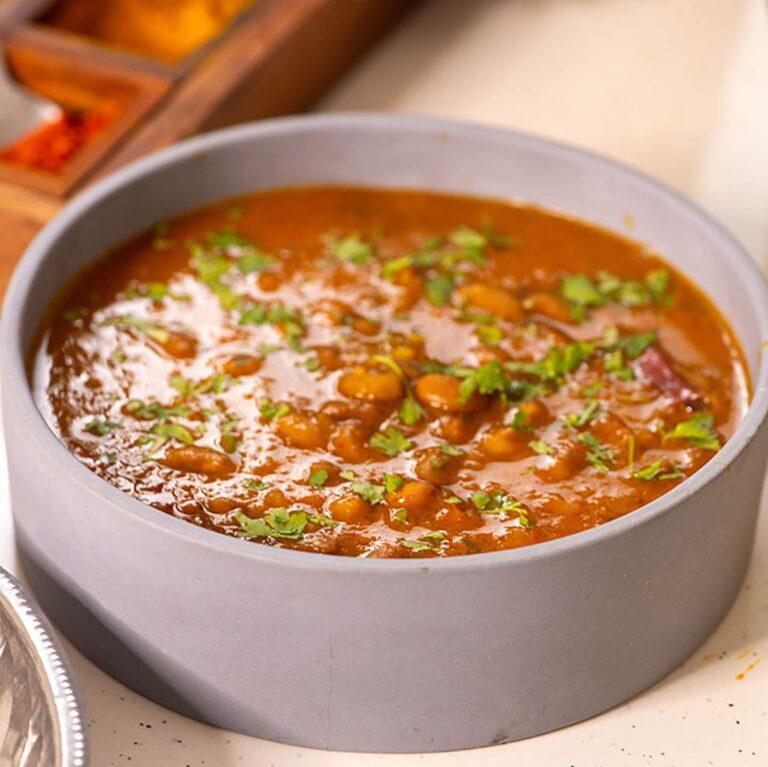
Lunch: Lentil & Vegetable Stew with Quinoa
Summary: Hearty lentils and veggies paired with quinoa for a balanced, filling lunch.
- Why it works: Lentils are high in fiber + protein; quinoa is a complete protein grain with lower glycemic load. Quinoa Khichdi
Snack: Roasted Chickpeas & Edamame
Summary: A crunchy, high-protein snack that keeps you full longer.
- Why it works: Legumes and soy protein moderate glucose while offering sustained satiety.
Dessert: Greek Yogurt Berry Mousse
Summary: A creamy, no sugar dessert rich in probiotics and antioxidants.
- Why it works: Protein + fat buffer the carbs in berries, making it glucose-friendly.
Practical Glucose Reset Ritual + Recipe Integration
- Morning Ritual: Start with warm lemon water + chia seeds → Savory Chickpea Pancake.
- Lunch Ritual: Eat a side salad first → Lentil Quinoa Stew → Walk 10 min.
- Snack Ritual: Replace chips with Roasted Chickpeas & Edamame.
- Dinner Ritual: End lighter with protein + veggies, skip late-night sugar.
Small Personal Note
When I faced prediabetes and insulin resistance, I began experimenting with glucose reset rituals. From drinking vinegar water before meals to pairing carbs with protein. Along with the recipes shared above, these practices helped me reduce post-meal crashes, feel fuller for longer, and manage cravings better.
In past 4 months alone I lost 30 lbs Weight in total.
FAQs on Glucose Reset Recipes & Rituals
What is the glucose reset ritual?
The glucose reset ritual is a set of daily practices like eating vegetables first, adding vinegar before meals, walking after eating, and pairing carbs with protein and fat to reduce glucose spikes.
Can glucose reset recipes reverse insulin resistance?
They may improve insulin sensitivity and reduce spikes, but reversal depends on multiple factors like weight management, physical activity, and medical treatment. Always consult your doctor before dietary changes.
What foods are best for glucose reset recipes?
Low-GI foods such as quinoa, lentils, steel-cut oats, beans, chickpea flour, leafy greens, nuts, seeds, and low-sugar fruits like berries.
Are glucose reset rituals safe for everyone?
Most practices are safe, but people on insulin or glucose-lowering medications should be careful about hypoglycemia. Always check with a healthcare provider.
How long does it take to see results from glucose reset recipes?
Some people feel steadier energy within a week. For measurable changes in fasting glucose or HbA1c, it may take 8–12 weeks of consistent practice.
Disclaimer
This post is for educational purposes only and not medical advice. If you have diabetes or are on medication, consult your healthcare provider before trying glucose reset rituals or recipes.
Final Takeaway
The glucose reset ritual + recipes offer a simple, evidence-backed way to flatten sugar spikes, reduce cravings, and support long-term metabolic health. Instead of restrictive diets, these recipes emphasize balance: low-GI carbs, protein, healthy fats, and fiber. Try adding one ritual and one recipe at a time — small consistent steps are what truly reset your body.
If You like this recipe and made it Please rate the recipe. It helps us to reach more people. For the Latest updates Subscribe to Rekha’s Whatsapp. You can follow me on Instagram, Facebook, Youtube, Pinterest for more food inspirations.


Dear Rekha
Thanking you in advance for your assistance. When I tried to download the Glucose Reset Ritual Recipes I got the message: Oops! Page can’t be found. Where do I get these recipes? Please let me know.
Thanks again,