Homemade Pesto Pasta

This post may contain affiliate links. Please read our disclosure policy.
Fast and fresh pesto is the secret for this best basil pesto pasta. which is perfect for serving with your favorite pasta for a refreshing and delicious dish that is packed with flavor and perfect for a quick hearty meal. With a few basic ingredients like fresh basil, walnuts, and olive oil, you will have a delicious meal ready!

If you want to make pasta that is gut friendly, try this gluten- free, homemade pesto pasta . The trick is to use gluten free high protein pasta. In this blog, I will also highlight how you can meal prep for this recipe and also get various meal options. Whether
Why To Make It?
- Gut Health Friendly: High-protein gluten-free pasta is easier on digestion and supports gut health.
- Healthy Alternative: This pasta dish is much lower in carbs compared to regular pasta, so it’s a great choice if you’re looking to avoid sugar spikes.
- Protein-Packed: You can serve it with grilled paneer, tofu, or boiled eggs for extra protein.
- Super Simple: The homemade pesto is fresh, easy to make and pairs perfectly with your pasta.
Ingredients
- Fresh basil – Provides a bold, fresh flavor and is packed with antioxidants.
- Olive oil – The healthy fats from olive oil help with nutrient absorption.
- Parmesan cheese – Adds richness and a savory touch.
- Walnuts – A great substitute for traditional pine nuts, these add extra crunch and heart-healthy fats.
- Sea salt – Enhances all the flavors.
- High-protein, gluten-free pasta – Gut-friendly and ideal for those with gluten sensitivities.
- Pasta water – Helps create a smooth, clingy sauce.
- Pistachio powder – Adds texture and flavor.
- Parmesan cheese – A light dusting of savory goodness.
- Fresh basil leaves – For that extra pop of color and freshness.
See recipe card for quantities.
Instructions
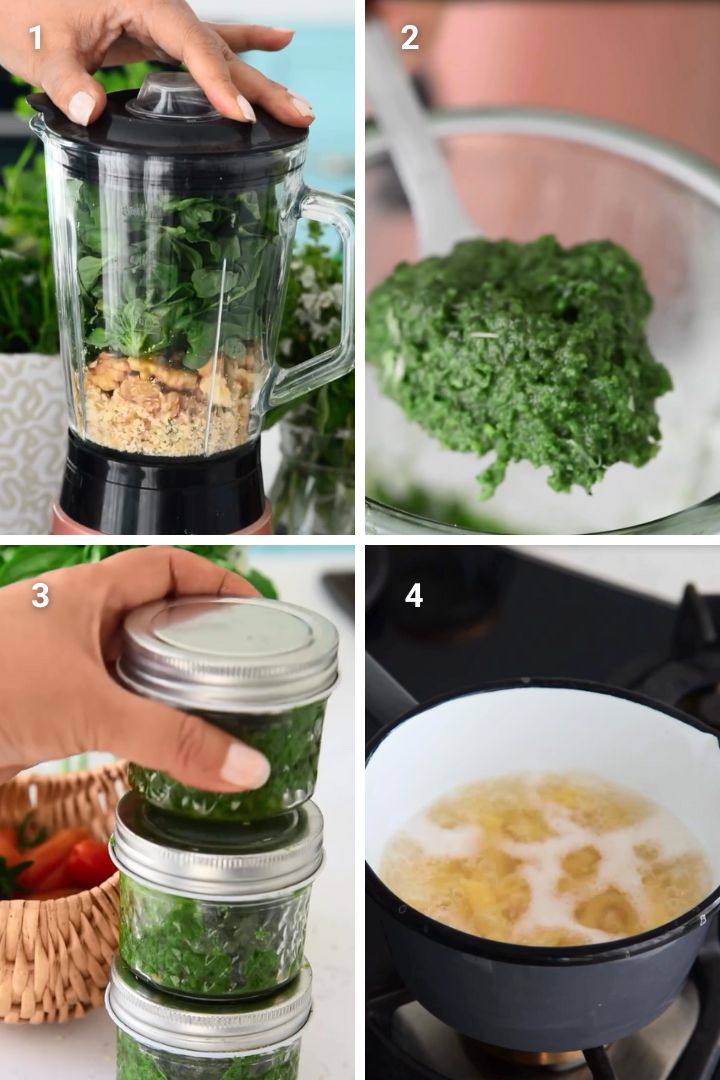
- After washing fresh basil, combine 2 cups of it with 3 tablespoons olive oil, 1/4 cup parmesan cheese, 1/3 cup walnuts and a pinch of sea salt. If your blender struggles, scrape down the sides and continue blending until smooth.
- This makes total 3 small containers of pesto, about 5 tablespoons each. You can store this pesto sauce in fridge and use later as well.
- Now, boil 1 cup of high-protein, gluten-free pasta according to package instructions and save 1/4 cup of the pasta water before draining.
Tip 1: Lightly toast the walnuts before blending for a richer flavor.
Tip 2: If the pesto seems too thick, add a little more olive oil or a splash of pasta water for smoother blending.
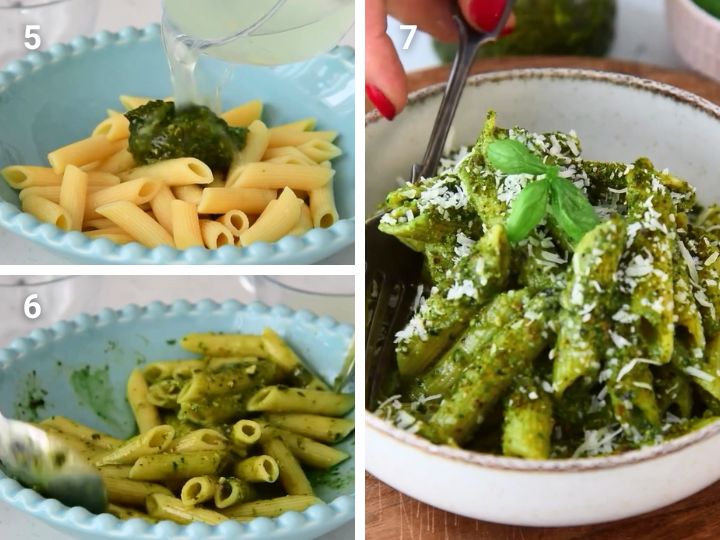
- In a large bowl, toss the cooked pasta with 1 tablespoon of the homemade pesto and a little bit of reserved pasta water to create a creamy sauce.
- Top the pasta with 1 teaspoon of Parmesan Pistachio powder, 1/2 teaspoon of Parmesan cheese, and a few fresh basil leaves.
Note: Always reserve some pasta water. It helps the sauce coat better on the pasta.
Substitutions
- Nuts: You can go replace walnuts with pine nuts or almonds for a different flavor and texture.
- Cheese: If you’re dairy-free, use nutritional yeast instead of Parmesan.
- Oil: You can substitute olive oil with avocado oil for a different twist.
Variations
- Zucchini Noodles: You can use spiralized zucchini, instead of pasta for a low-carbs option.
- Veggie Boost: Toss in some sautéed spinach, cherry tomatoes, or roasted zucchini for added veggies.
- Vegan Version: Use vegan cheese or nutritional yeast and pair with grilled Tofu.
Storage
- Storing: Leftover pesto can be stored in an airtight container in the fridge for up to a week. The pasta itself is best enjoyed fresh but can be stored in the fridge for 2-3 days.
- Reheating: To reheat, gently warm the pasta in a pan over low heat, adding a splash of pasta water or olive oil to revive the sauce.
How to serve
This pesto pasta is perfect as a light lunch or dinner. You can serve it alongside grilled paneer or tofu or top it with boiled eggs for added protein. It’s a great dish for meal prep and the pesto itself can be used on sandwiches, salads, or as a dip for veggies!
FAQ
Can I use a different type of gluten-free pasta?
Absolutely! You can use any gluten-free pasta of your choice, such as brown rice, chickpea, or quinoa pasta.
How long does homemade pesto last?
Homemade pesto can be stored in the refrigerator for up to a week in an airtight container.
Can I freeze the pesto?
Yes! Pesto freezes beautifully. You can portion it into small containers and freeze it for up to 3 months.
What can I substitute for walnuts?
You can use almonds, pecans, or even sunflower seeds for a nut-free option.
More Such Recipes
- Spinach pesto Pasta
- Red Sauce Recipe for Pasta and Pizza
- Four Cheese Pasta Recipe
- Indian Style Pasta Recipe
- Tuscan White Beans Pasta Soup
- Red Sauce Pasta Restaurant style
Watch Video
Homemade Pesto Pasta

Ingredients
- 2 cups basil fresh
- 3 tablespoons olive oil
- 1/4 cup parmesan cheese
- 1/3 cup walnuts
- 1 tsp Sea salt
- 1 cup pasta gluten-free pasta
- 1/4 cup pasta water
- 1 tbsp Parmesan cheese
- Fresh basil leaves garnish
Instructions
- Make the Pesto: In a blender, combine 2 cups of fresh basil, 3 tablespoons olive oil, 1/4 cup parmesan cheese, 1/3 cup walnuts, and a pinch of sea salt.
- Cook the Pasta: Boil 1 cup of high-protein, gluten-free pasta according to package instructions. Save 1/4 cup of the pasta water before draining.
- Toss the Pasta: In a large bowl, toss the cooked pasta with 1 tablespoon of the homemade pesto and a little bit of reserved pasta water to create a creamy sauce.
- Garnish and Serve: Top the pasta with 1 teaspoon of Parmesan Pistachio powder, 1/2 teaspoon of parmesan cheese, and a few fresh basil leaves.
Rekha’s Notes
- Fresh Ingredients: Use fresh basil for the best flavor; dried herbs won’t have the same impact.
- Smooth Blending: If the pesto seems too thick, add a little more olive oil or a splash of pasta water for smoother blending.
- Toast the Nuts: Lightly toast the walnuts before blending for a richer flavor.
- Save Pasta Water: Always reserve some pasta water. It helps the sauce coat better on the pasta.