
Homemade Cottage Cheese Recipe

This post may contain affiliate links. Please read our disclosure policy.
Here’s how to make cottage cheese with this homemade cottage cheese recipe. Using this homemade cheese recipe you can make cottage cheese without rennet or culture powder. You need simple 2 ingredients to make cottage cheese from scratch. I am sharing my best tips for making cottage cheese at home that is better than store bought.
You can also use it in the classic budwig protocol recipe, a blended cottage cheese and flaxseed oil breakfast bowl.
Use it to make the viral cottage cheese flatbread, a high-protein 2-ingredient bread.
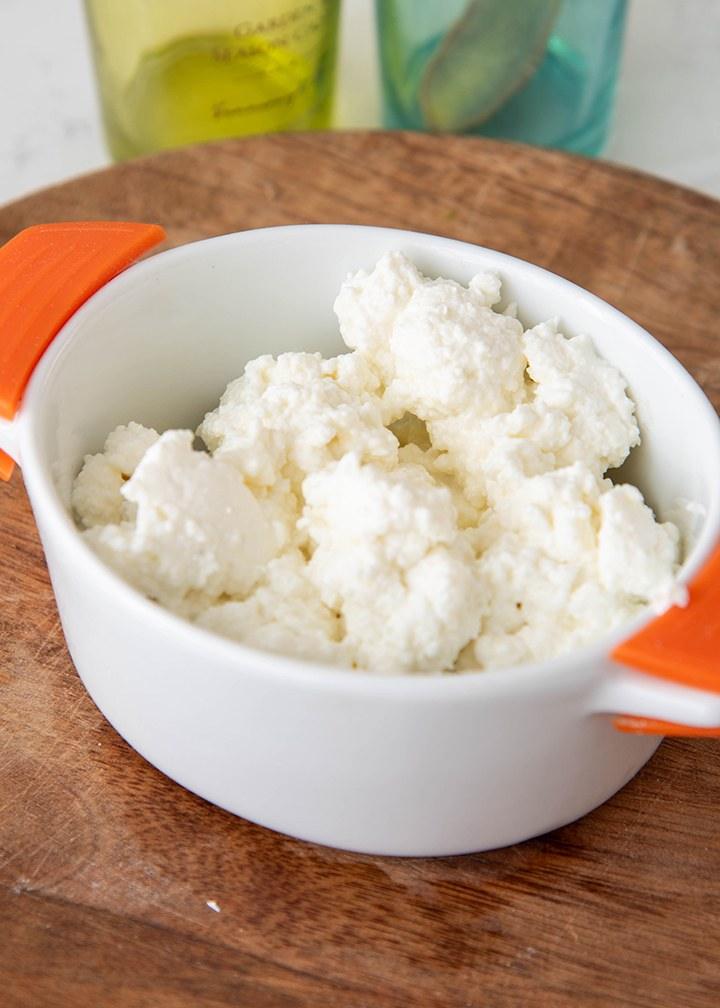
Making cottage cheese at home is not only simple but also a great way to ensure you’re getting a fresh, additive-free product. This homemade cottage cheese recipe is low carb, high protein, keto-friendly, and gluten-free, making it a perfect choice for health-conscious individuals. Plus, it’s an easy cheese recipe that doesn’t require any rennet or special cultures. Let me guide you through the process!
Whether you’re following a keto diet, looking for a high-protein snack, or just want to try your hand at cheesemaking, this homemade cheese recipe is a fantastic starting point. Enjoy your homemade cottage cheese and the countless ways you can incorporate it into your meals!
You can eat it plain, add it to your favorite dishes, or use it as a base for creamy dips, this versatile cheese is a delightful addition to any kitchen.
Why You Will love This Easy Cheese Recipe?
There are several reasons why you might want to make cottage cheese at home.
- First and foremost, homemade cheese is fresh and more flavorful than store-bought versions.
- You have complete control over the ingredients, ensuring there are no unwanted additives or preservatives.
- Additionally, making your own cheese can be more cost-effective, especially if you consume it regularly.
- For those following specific dietary guidelines like keto or gluten-free, homemade cottage cheese is a perfect fit as it is low in carbs and high in protein.
Ingredients To Make Cottage Cheese
You need these ingredients .
- Milk: 3.8 litre 1% milk preferably non-UHT pasteurized
- White Vinegar: 1/2 cup white vinegar
- Salt: 1 teaspoon salt (optional)
- Heavy cream: 1/2 cup (optional) but adding heavy cream to make cottage cheese gives creamier texture.
How to Make Cottage Cheese
I love cottage cheese for its taste as well as high protein content. I mostly used store bought till I learned how is cottage cheese made. So here’s step by step method of how to make cottage cheese.
Heat the milk
- Pour the gallon of whole milk into a large pot.
- Heat the milk slowly over medium heat until it reaches 190°F (88°C). Stir occasionally to prevent scorching.
CURDLE THE MILK:
- Once the milk reaches the desired temperature, remove it from the heat.
- Gradually add the vinegar or lemon juice while stirring gently. You will notice the milk starting to curdle as the curds (solid part) separate from the whey (liquid part).
- Let the mixture sit undisturbed for about 30 minutes to ensure complete curdling.
DRAIN THE CURDS:
- Line a colander with cheesecloth or a clean kitchen towel and place it over a large mixing bowl.
- Carefully pour the curds and whey into the colander to drain. Let it sit for about 5 minutes to remove excess whey.
RINSE THE CURDS:
- Gather the cheesecloth corners and rinse the curds under cold running water. Gently squeeze the cheesecloth to help remove more whey and cool the curds.
- Continue rinsing until the curds are completely cool and the whey is thoroughly washed out.
SEASON THE CURDS:
- Transfer the curds to a clean mixing bowl.
- Add 1 teaspoon of salt if desired and mix gently. For a creamier texture, you can also add 1/2 cup of heavy cream and mix it into the curds.
- This homemade cottage cheese has a creamy texture and a great taste.
STORE AND SERVE:
- Your homemade cottage cheese is ready to eat! Transfer it to an airtight container and store it in the refrigerator.
- You can enjoy this homemade cheese, with fruit, or as an ingredient in various recipes. It should be consumed within 5-7 days for the best taste and texture.
Tricks and Tips for Making Cottage Cheese Perfectly
- Milk Quality: Use fresh, high-quality whole milk. Avoid ultra-pasteurized (UHT) milk as it doesn’t curdle well.
- Temperature Control: Use a reliable thermometer to ensure accurate temperatures during heating and curdling.
- Gentle Handling: Handle the curds gently to avoid breaking them up too much, which can result in a mushy texture.
- Adjust Acidity: If the curds don’t form properly, you may need to adjust the amount of vinegar slightly.
Is This Cottage Cheese Healthy?
Yes, this homemade cheese is very healthy! It is low in carbohydrates, making it ideal for those on a keto diet. It’s also high in protein, which helps with muscle repair and growth. Since it’s made fresh, you avoid any preservatives or additives commonly found in store-bought versions. Plus, you can control the amount of salt and any additional ingredients, tailoring it to your dietary needs.
Nutrition in Cottage Cheese
Homemade cheese is a nutritional powerhouse, rich in high-quality protein and essential nutrients. A 1-cup serving provides approximately 27 grams of protein, making it an excellent choice for muscle repair and growth. It is low in carbohydrates, with about 6 grams per serving, and offers varying fat content depending on whether it’s full-fat, low-fat, or non-fat.
Cottage cheese is also a good source of calcium, phosphorus, vitamin B12, riboflavin, and selenium, all of which are vital for bone health, energy production, and cellular function. Its high protein and low-calorie profile make it ideal for weight management and overall health, fitting well into low-carb, high-protein, and ketogenic diets.
How to Eat Cottage Cheese
It is incredibly versatile. Now that you have learned homemade cottage cheese recipe here are many ways to use this homemade cheese. Here are a few ideas on how to enjoy it:
- On Its Own: Enjoy it as a simple, protein-rich snack.
- With Fruit: Add fresh berries, pineapple, or melon for a sweet and savory treat.
- In Salads: Mix it into salads for added protein and creaminess.
- In Smoothies: Blend it into smoothies to increase the protein content.
- As a Dip: Mix with fresh herbs, black pepper and cream cheese spices to create a savory dip for vegetables.
- Make Cottage cheese Bread: I add eggs to it and make a very delicious high protein keto cottage cheese bread with it.
- Just spread some cottage cheese on high protein bagel for a great breakfast.
Storage and Shelf Life
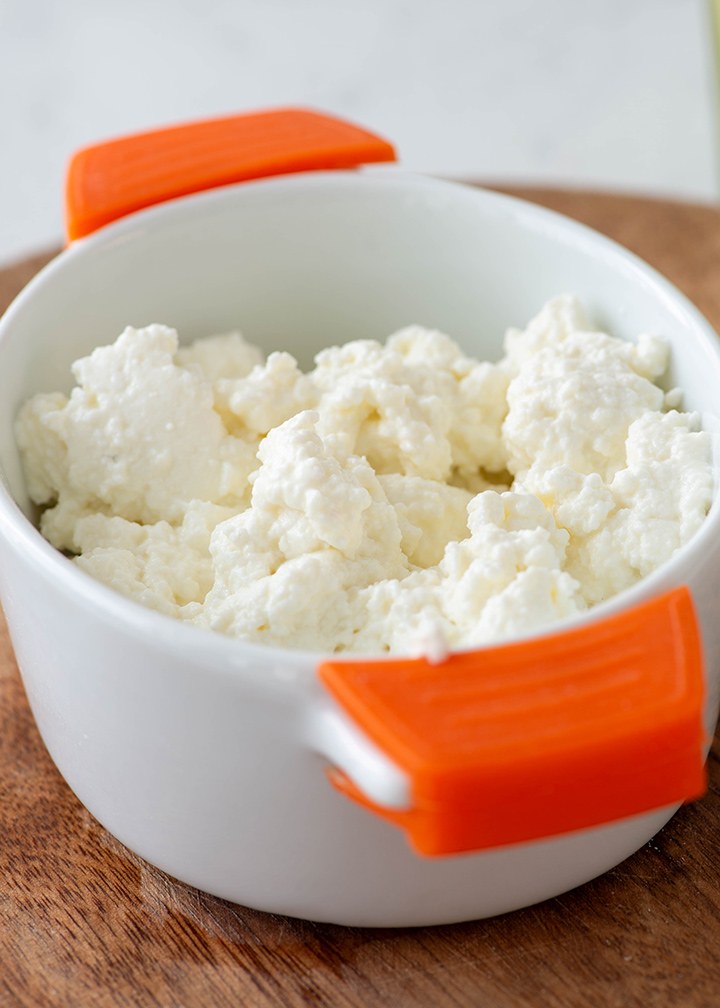
Store your homemade cottage cheese in an airtight container in the refrigerator. It’s best consumed within 5-7 days for optimal taste and texture. Always use a clean spoon to scoop out servings to prevent contamination and extend its shelf life.
More Such Recipes
- High Protein Cottage Cheese Flat Bread
- How to Make Yogurt at Home
- Homemade Cucumber Pickle
- Homemade Baked Beans Recipe
- Paneer Bhurji Recipe
- Matar Paneer Cutlets
Watch Video
If You like this recipe and made it Please rate the recipe. It helps us to reach more people. For the Latest updates Subscribe to Rekha’s Whatsapp. You can follow me on Instagram, Facebook, Youtube, Pinterest for more food inspirations.
How To Make Cottage Cheese Homemade
Equipment
- Fine mesh strainer
- Cheesecloth
- Instant-read thermometer
Ingredients
- 3.8 litre whole milk preferably non-UHT pasteurized
- 1/2 cup white vinegar or lemon juice
- 1 teaspoon salt optional
- 1/2 cup heavy cream optional, for creamier texture
Instructions
Heat the Milk:
- Pour the gallon of whole milk into a large pot.
- Heat the milk slowly over medium heat until it reaches 190°F (88°C). Stir occasionally to prevent scorching.
Curdle the Milk:
- Once the milk reaches the desired temperature, remove it from the heat.
- Gradually add the vinegar or lemon juice while stirring gently. You will notice the milk starting to curdle as the curds (solid part) separate from the whey (liquid part).
- Let the mixture sit undisturbed for about 30 minutes to ensure complete curdling.
Drain the Curds:
- Line a colander with cheesecloth or a clean kitchen towel and place it over a large mixing bowl.
- Carefully pour the curds and whey into the colander to drain. Let it sit for about 5 minutes to remove excess whey.
Rinse the Curds:
- Gather the cheesecloth corners and rinse the curds under cold running water. Gently squeeze the cheesecloth to help remove more whey and cool the curds.
- Continue rinsing until the curds are completely cool and the whey is thoroughly washed out.
Season the Curds:
- Transfer the curds to a clean mixing bowl.
- Add 1 teaspoon of salt if desired and mix gently. For a creamier texture, you can also add 1/2 cup of heavy cream and mix it into the curds.
Store and Serve:
- Your homemade cottage cheese is ready to eat! Transfer it to an airtight container and store it in the refrigerator.
- Cottage cheese can be enjoyed on its own, with fruit, or as an ingredient in various recipes. It should be consumed within 5-7 days for the best taste and texture.







Your ingredients and recipe don’t match. 3.8 L 1% milk vs 1 gallon whole milk (I know 3.8 L is approximately 1 gallon but I had to Google it). I’m going to try it anyway with the 1% just thought I’d point it out